Palau is on almost every serious diver’s list, and it earns it. Strong currents sweep nutrients past steep walls and through the channels between the Rock Islands, which brings in sharks, mantas and big schools of fish. Add WWII wrecks, caverns and healthy reefs, and very few places pack so much variety into such a small area.
I spent the first week of January 2017 diving Palau on the Palau Aggressor II. A liveaboard is the easiest way to dive Palau well: the boat moves between sites so you can do four or more dives a day, timed to the tides, without long speedboat rides back to Koror.
The days had a rhythm. The dive deck woke up early for a 6:30 a.m. briefing at Blue Corner, and a typical day after that read like the whiteboard in the salon: Ulong Channel at 7:15, Siaes Tunnel at 10:15, lunch, Sandy Paradise at 1:30, Ulong Coral Garden at 4:30, then dinner and a movie. The crew drew every site on the board before each dive, with the current direction and where to hook in.
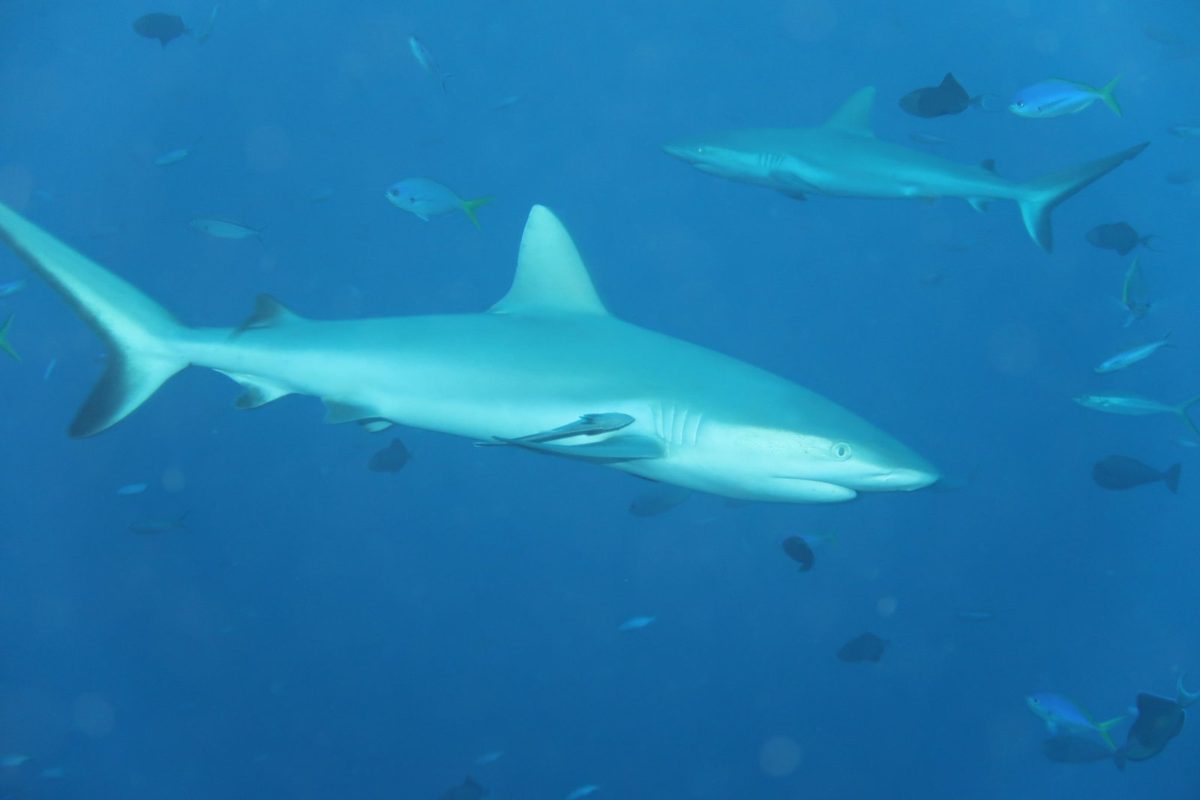
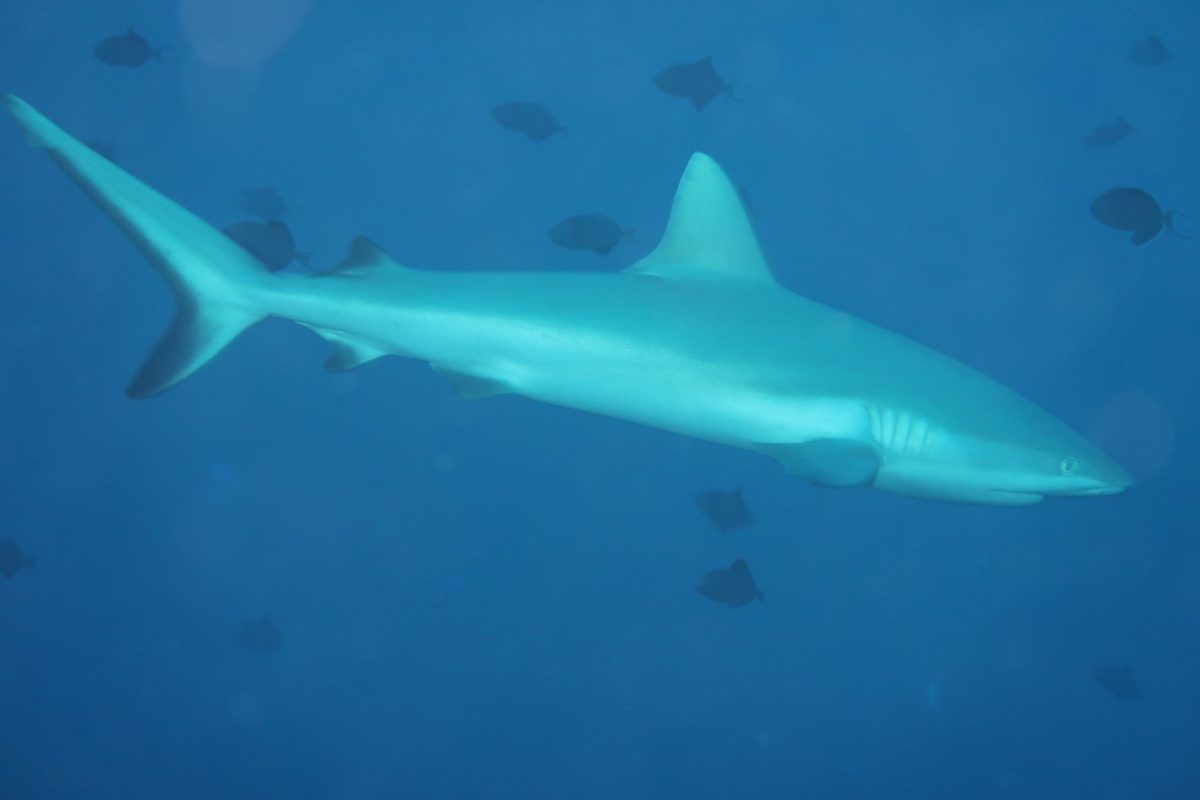
Many Palau dives are drifts. At Blue Corner divers clip onto the edge of the reef with a reef hook, add a little air to their BCD, and hang in the current while gray reef sharks patrol the drop-off a few feet away. It is a great place to practice drift diving and buoyancy, and a good reason to log a few current dives before you go.
Watch: Diving Palau
Three minutes from the trip: hawksbill turtles, mantas at German Channel, gray reef sharks and a big school of fish.
Big animals
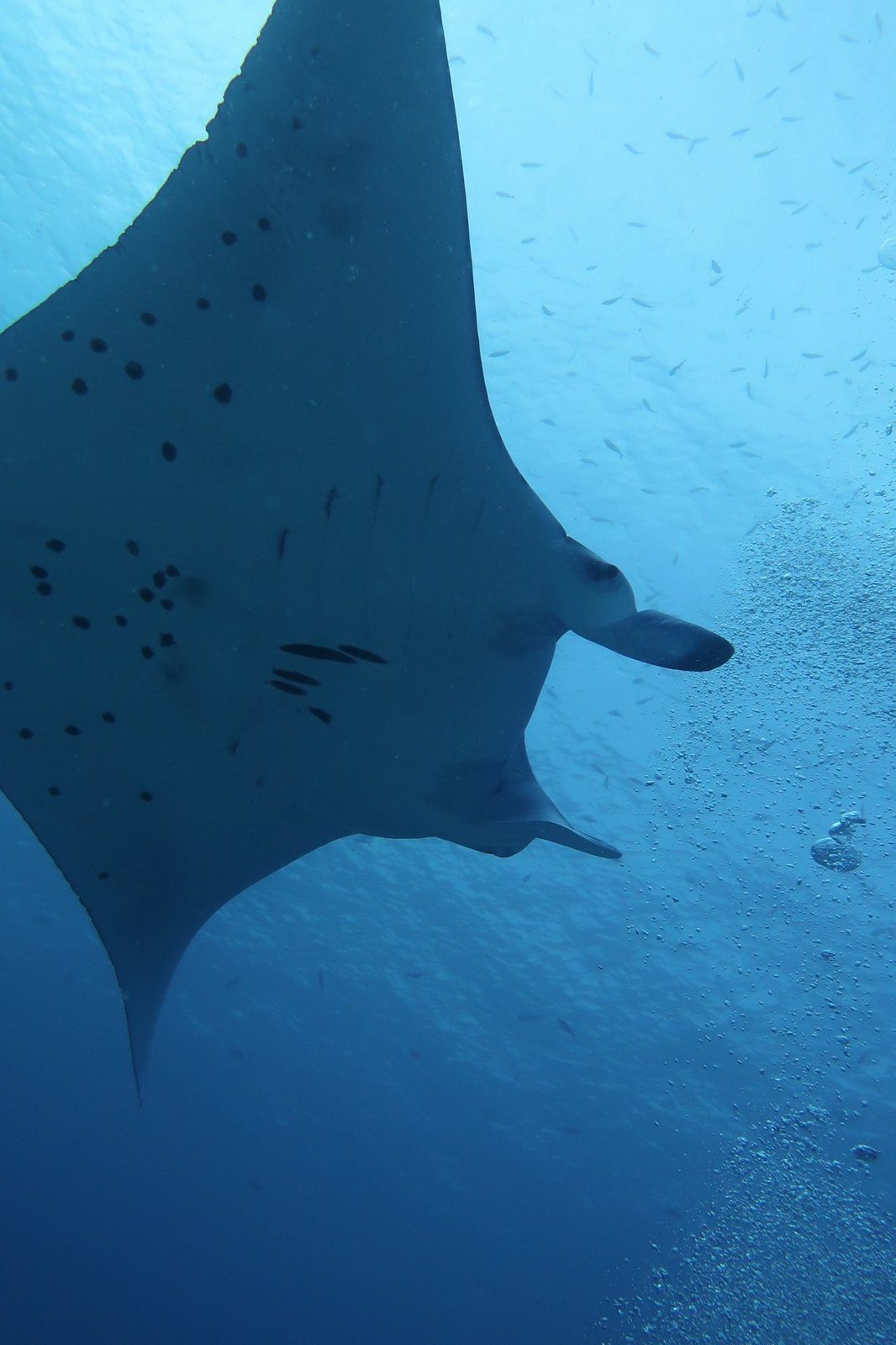
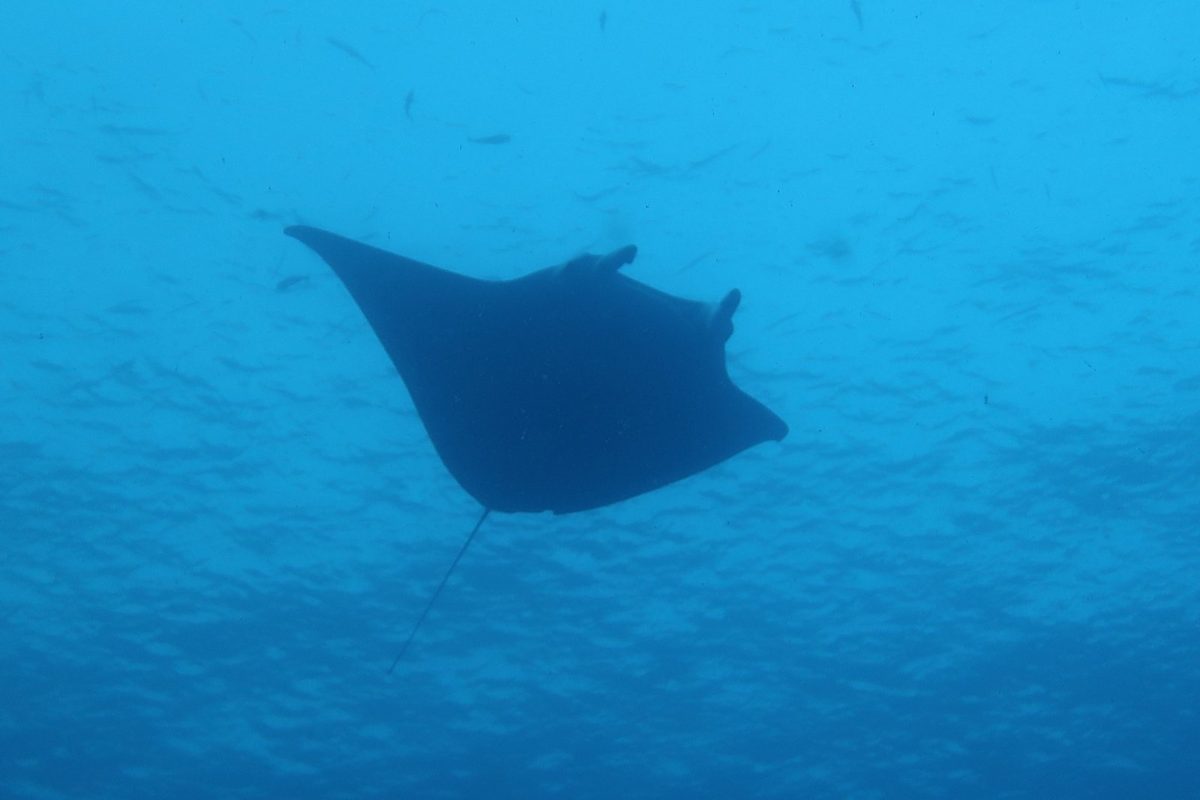
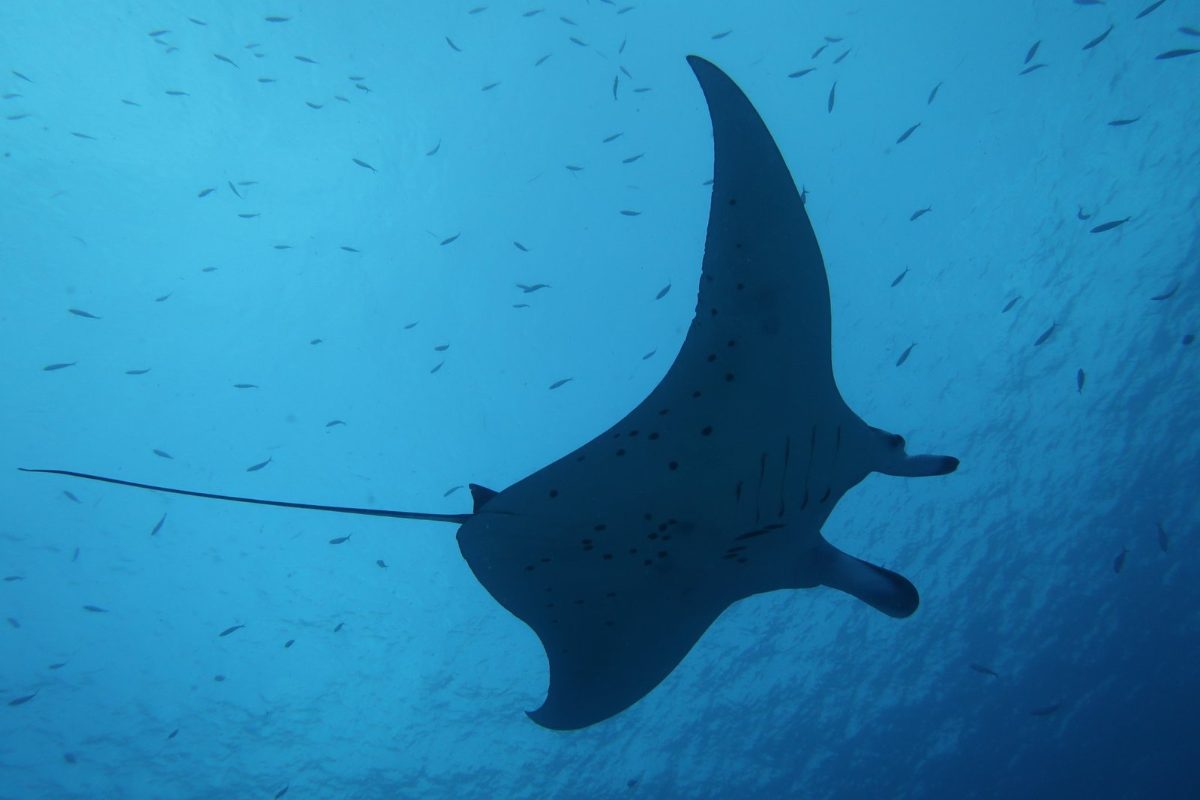
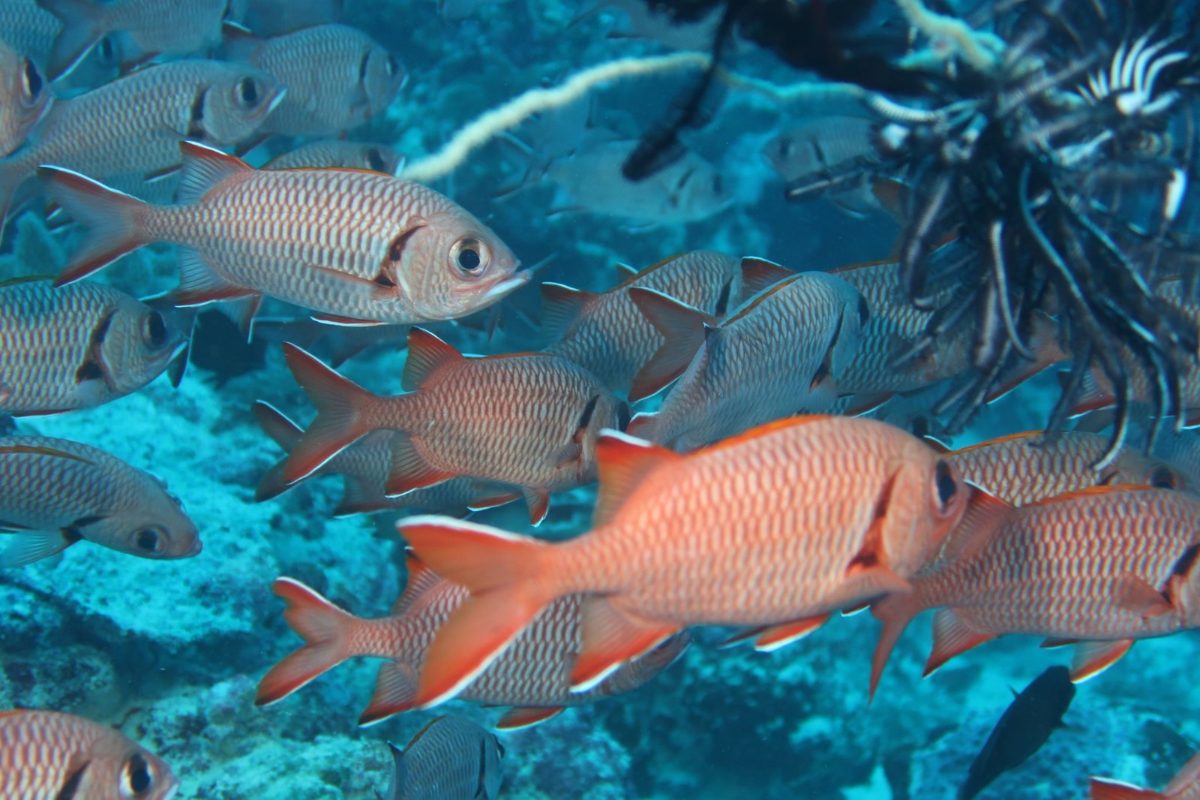
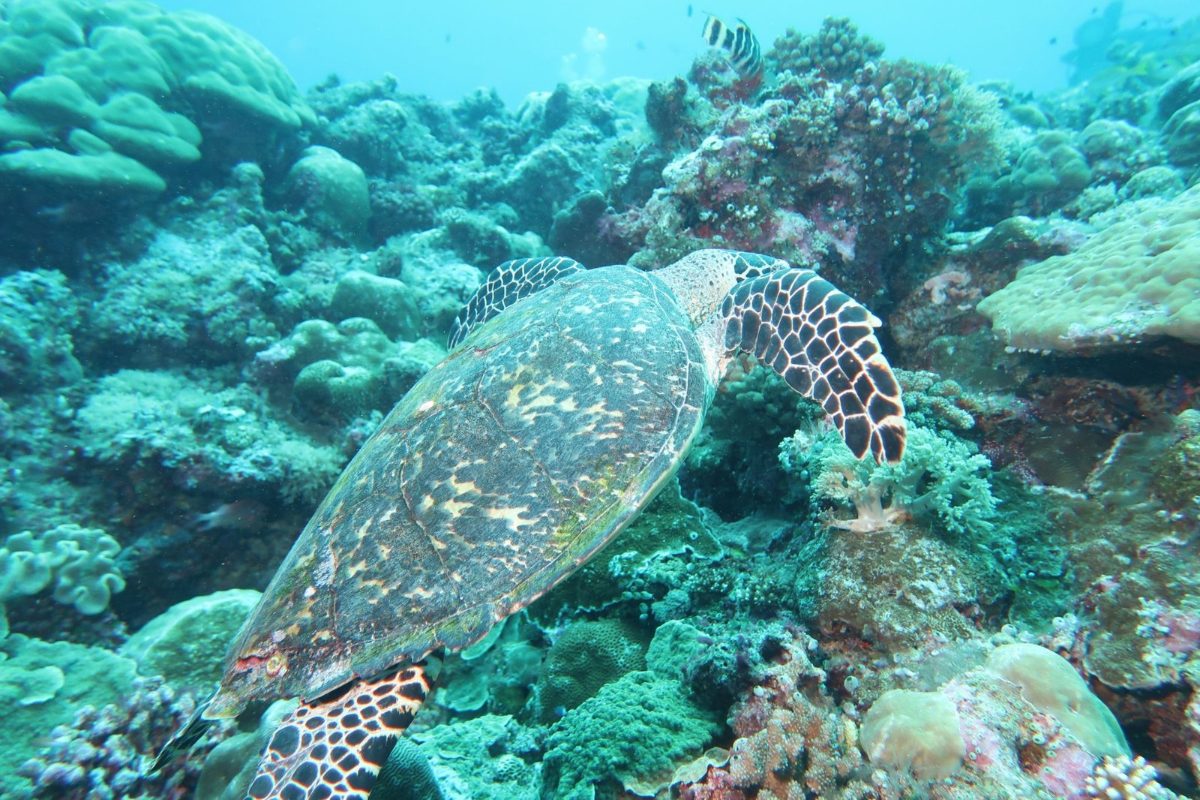
German Channel was cut through the reef in the early 1900s to link the lagoon to the open ocean, and today it is one of Palau’s best-known manta cleaning stations. We had mantas circling overhead, and gray reef sharks patrolling the walls at Blue Corner. On the reef itself, soldierfish hung in the overhangs and hawksbill turtles fed on the coral, paying almost no attention to divers.
Caverns and WWII wrecks
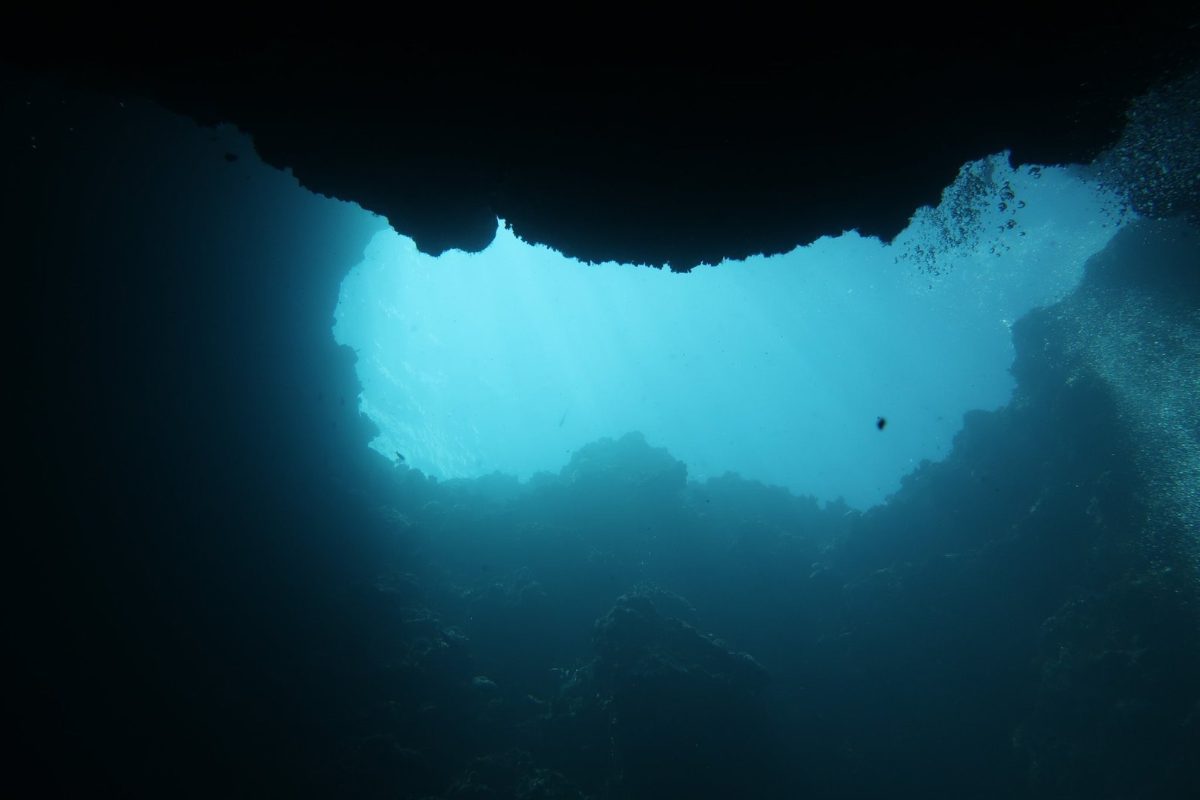
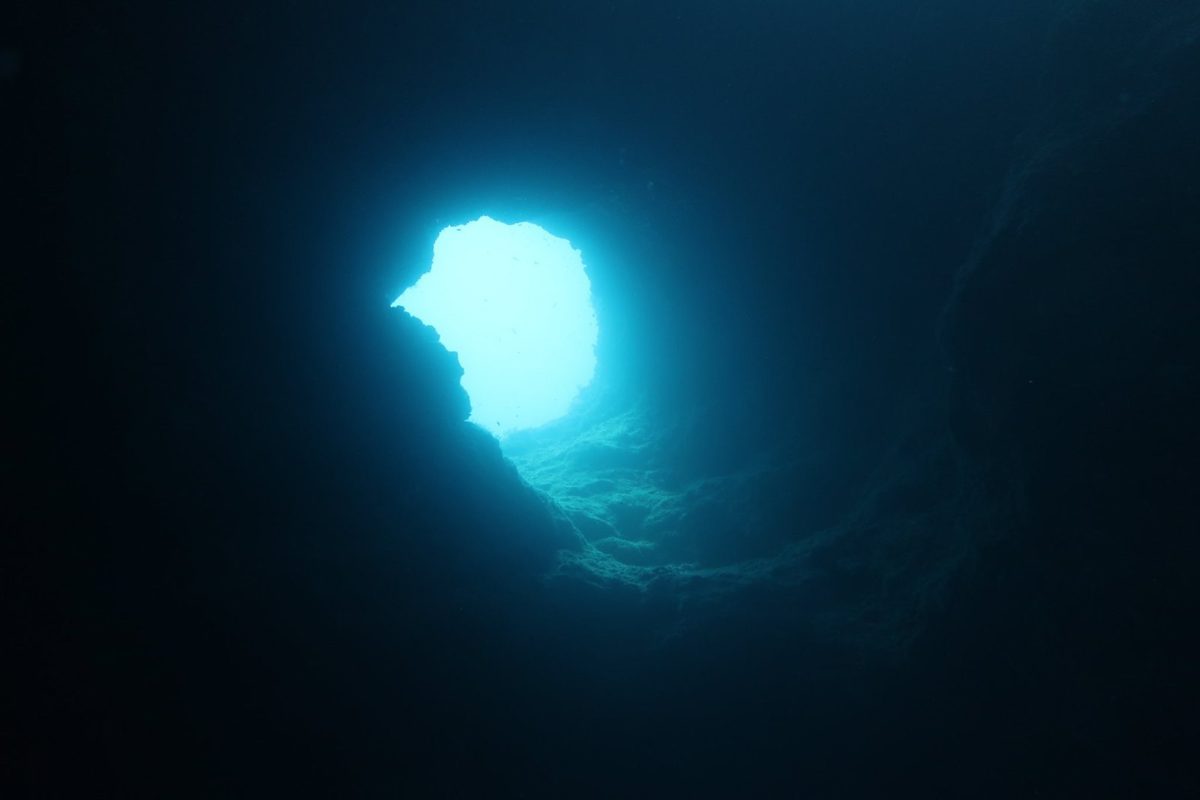
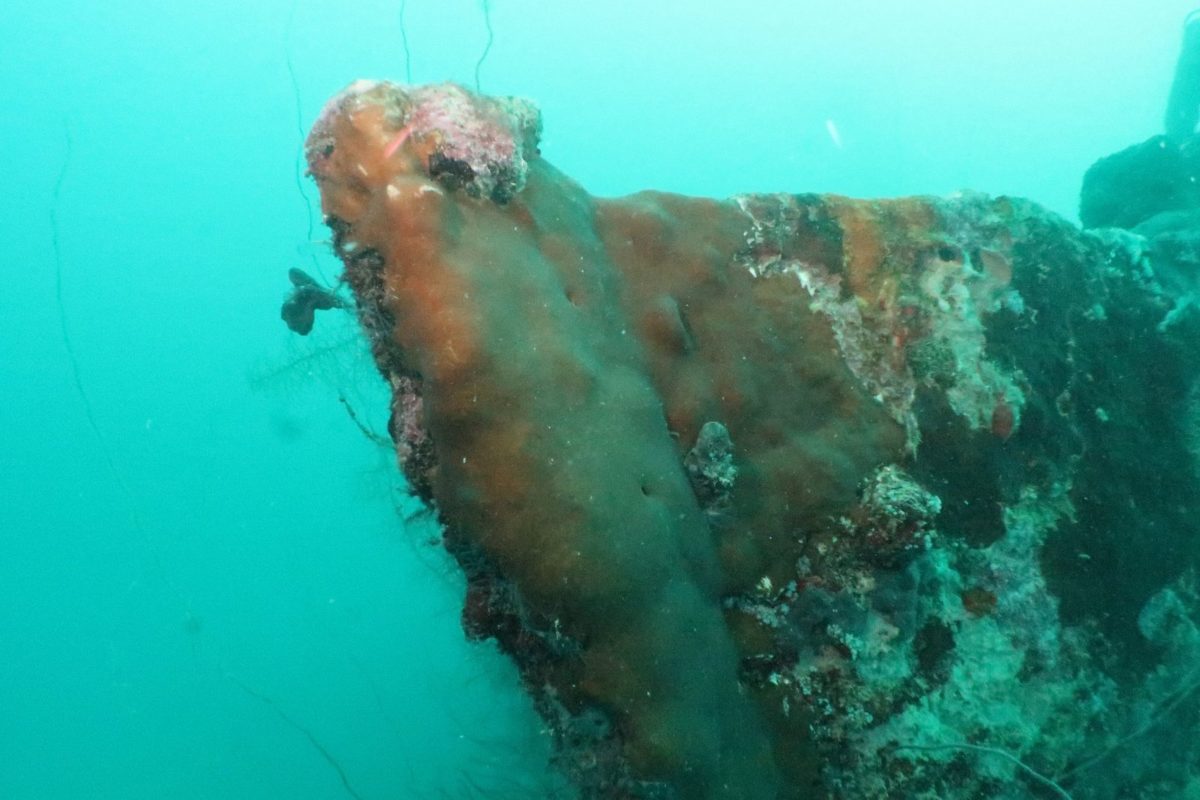
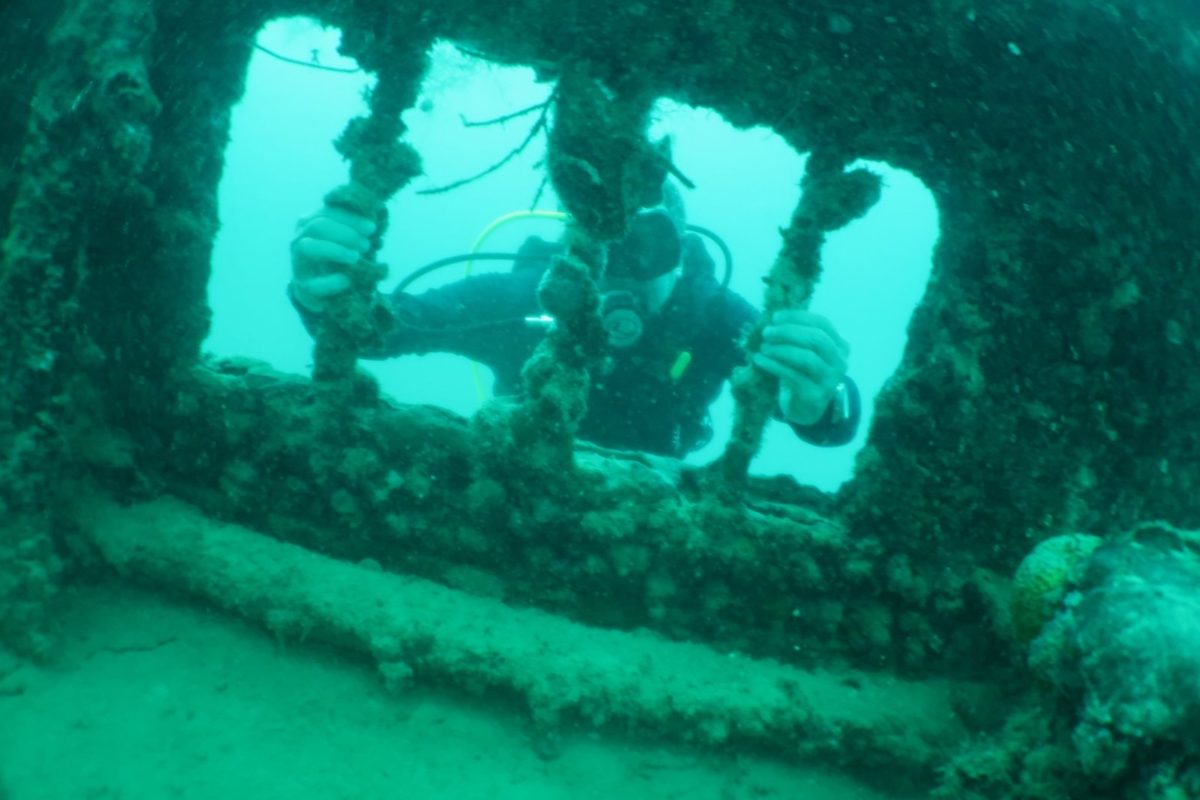
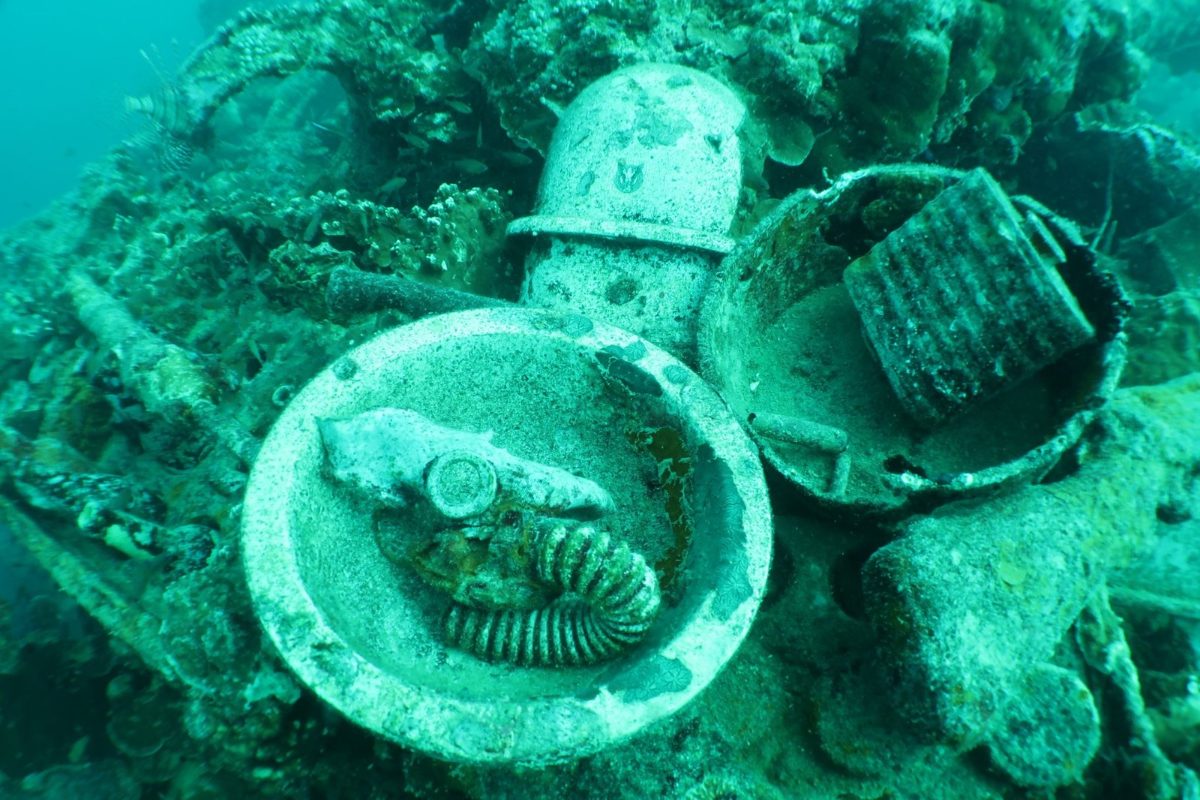
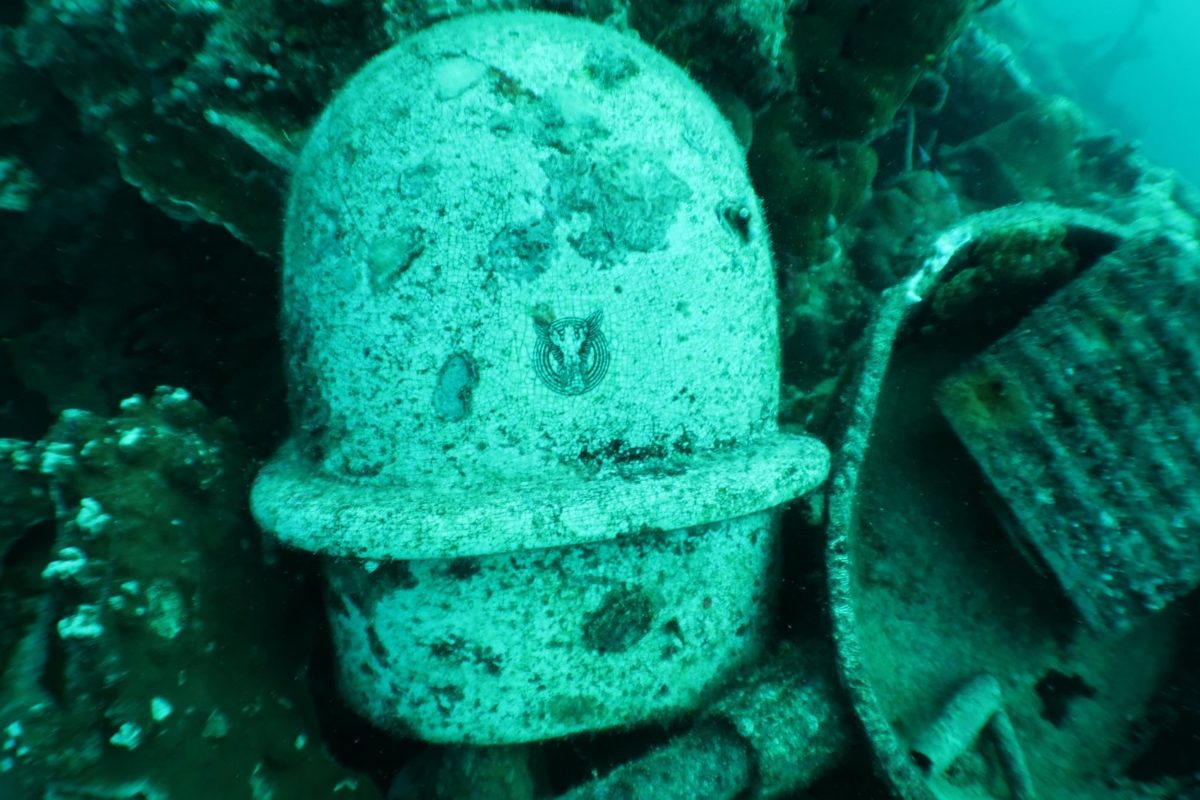
At Blue Holes, openings in the top of the reef drop into a large cavern, and the light coming down through them is the shot everyone wants. The first dive of the trip was the Helmet Wreck in Malakal Harbor, a Japanese WWII cargo ship sunk in March 1944 that still holds stacks of helmets fused together by corrosion, plus bottles, dishes, engine parts and other cargo. It sits in fairly shallow, calm water, which makes it a good first dive and a great place to slow down and look closely. Look, but never touch: old munitions on Palau’s wrecks can still be dangerous.
Reef life
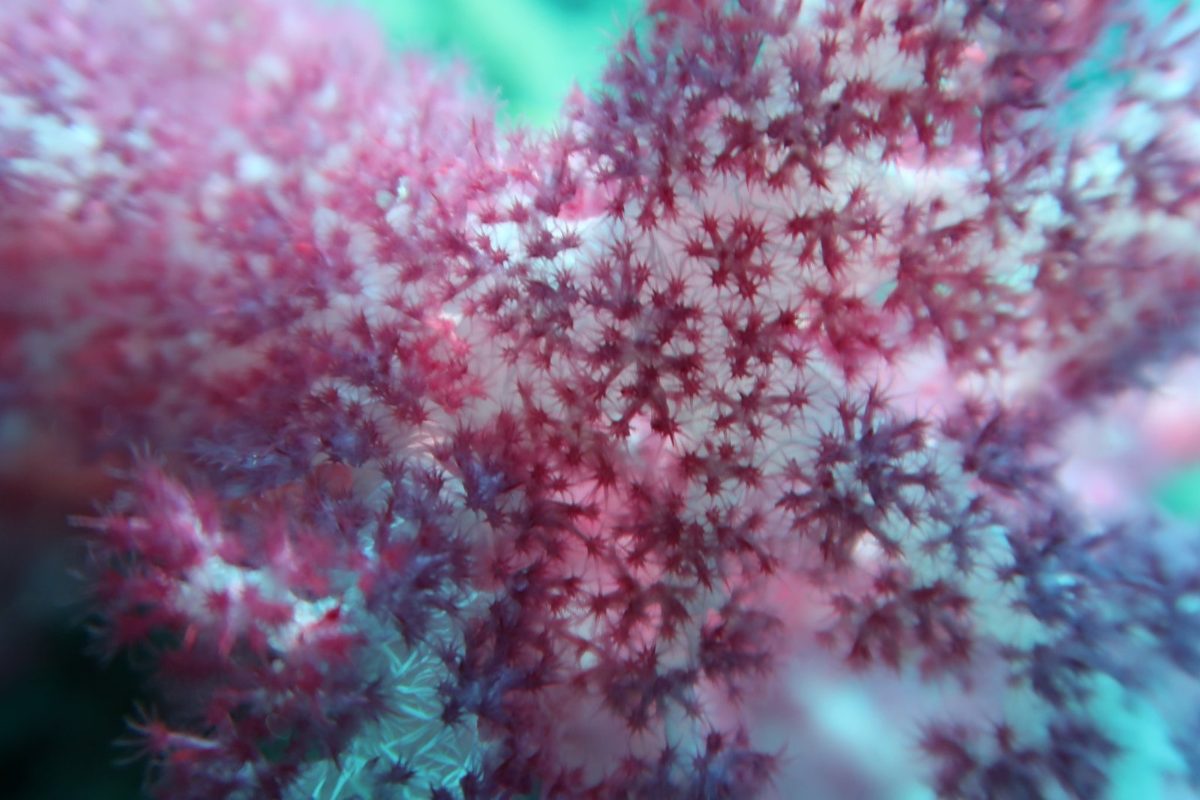
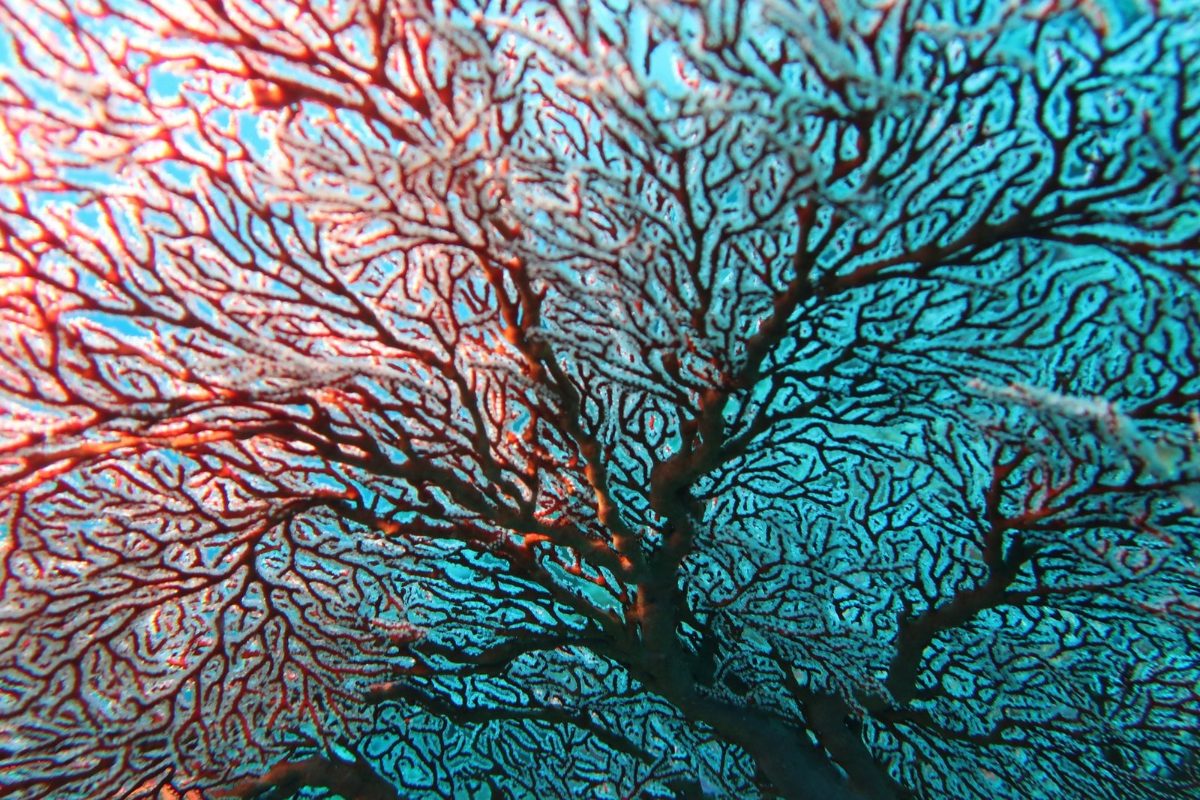
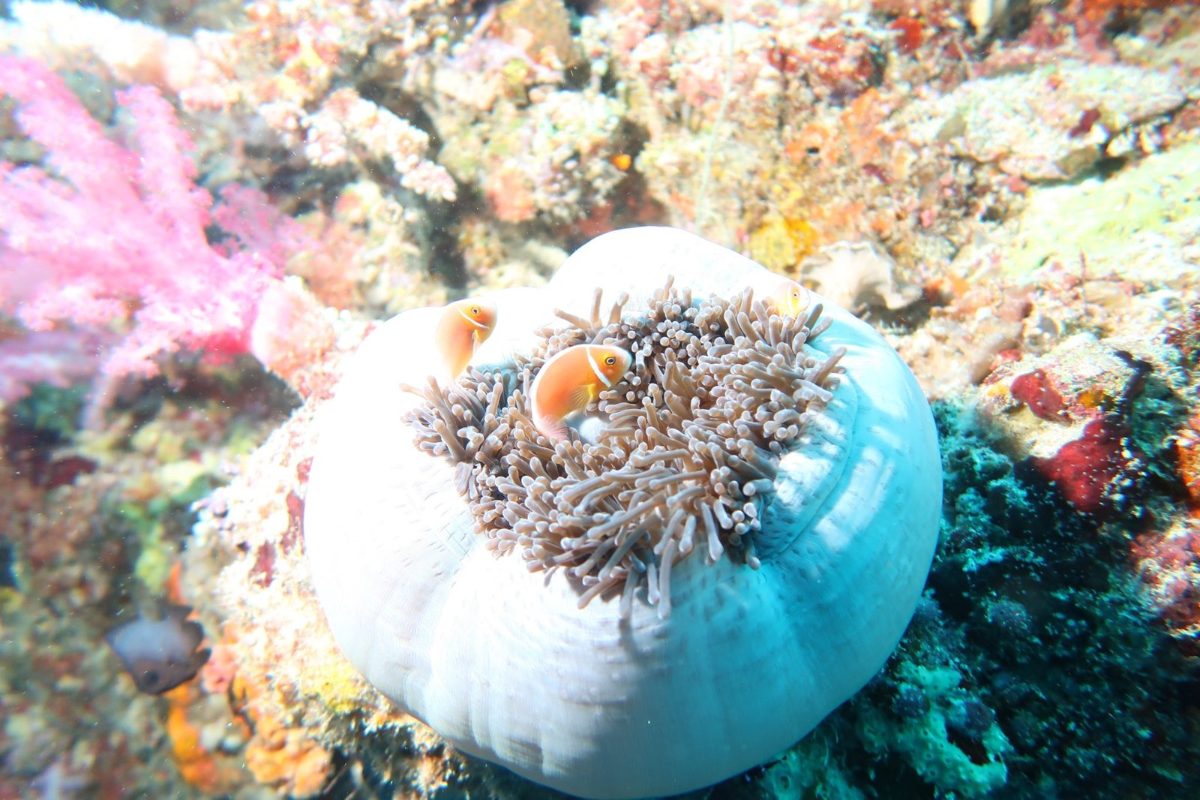
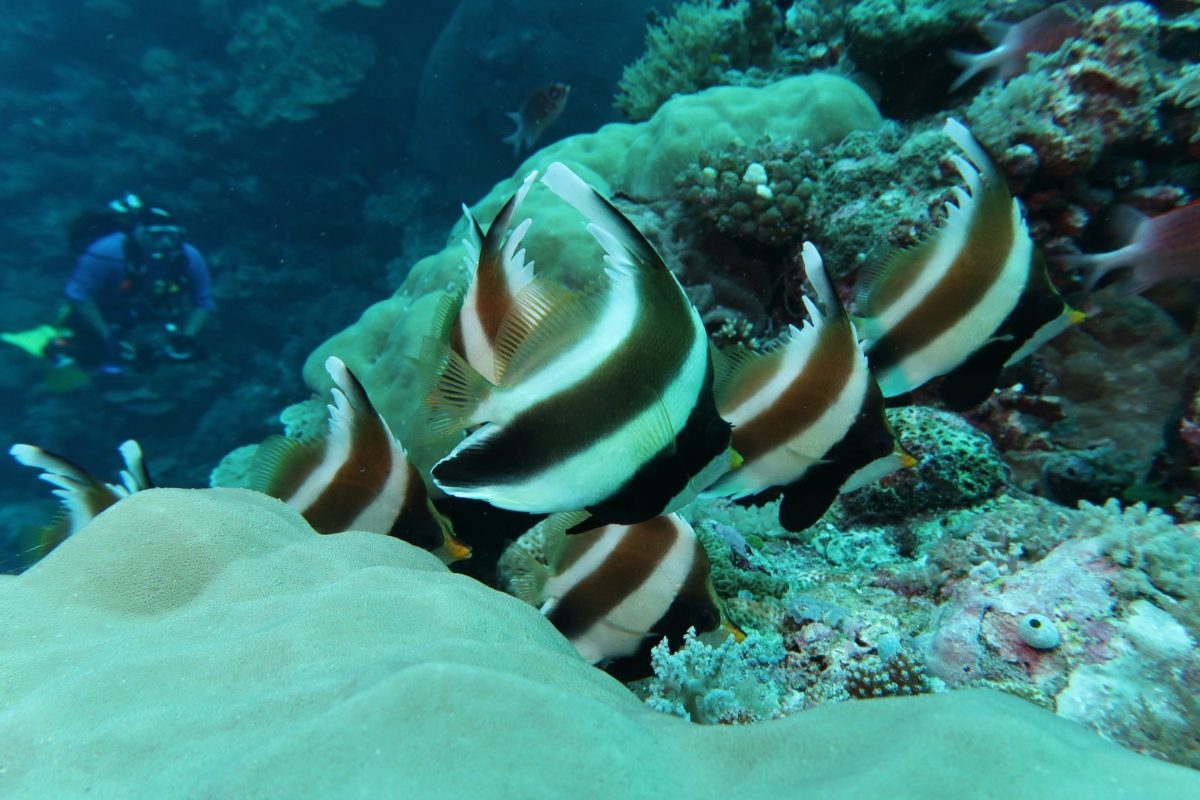
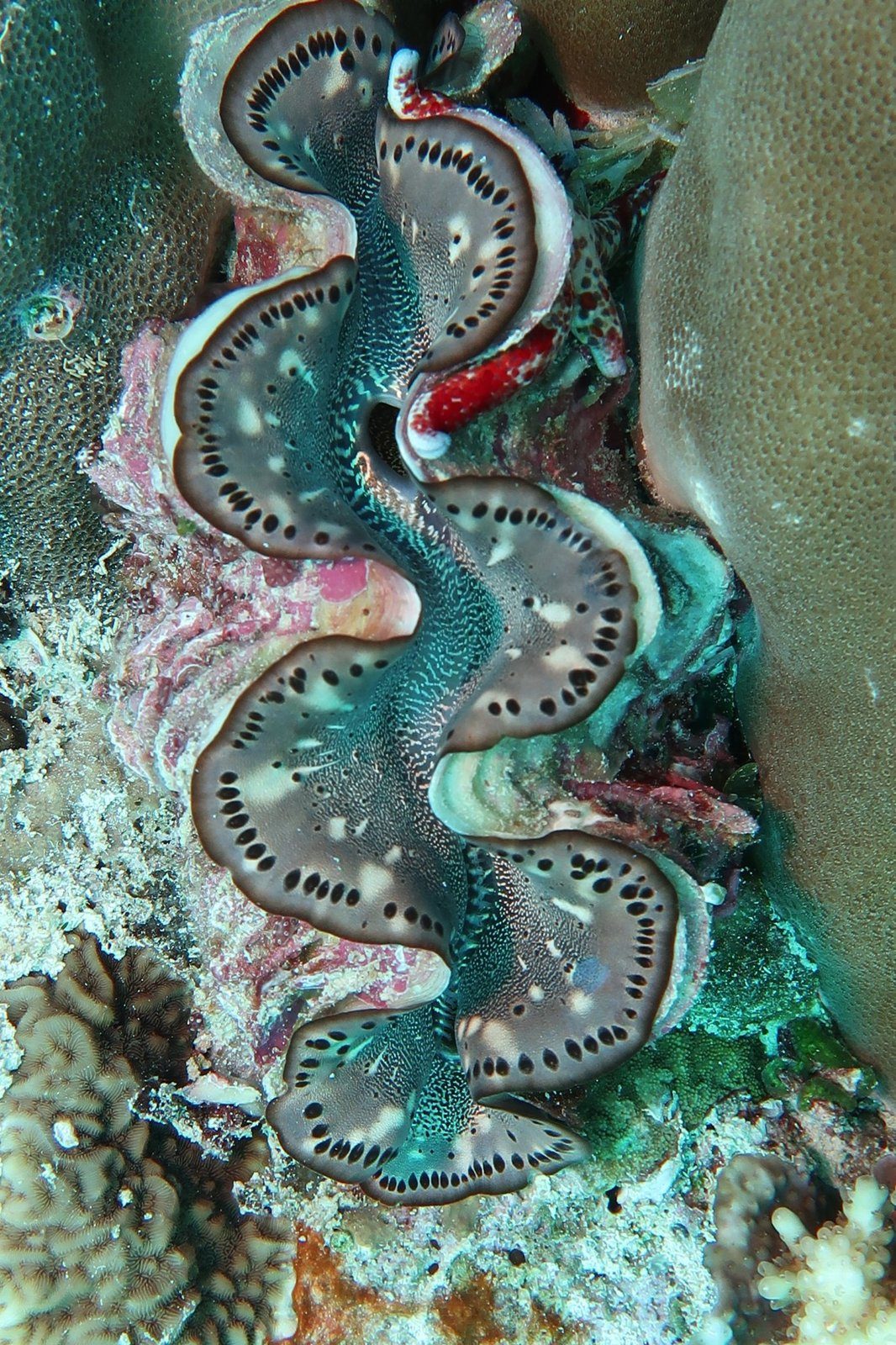
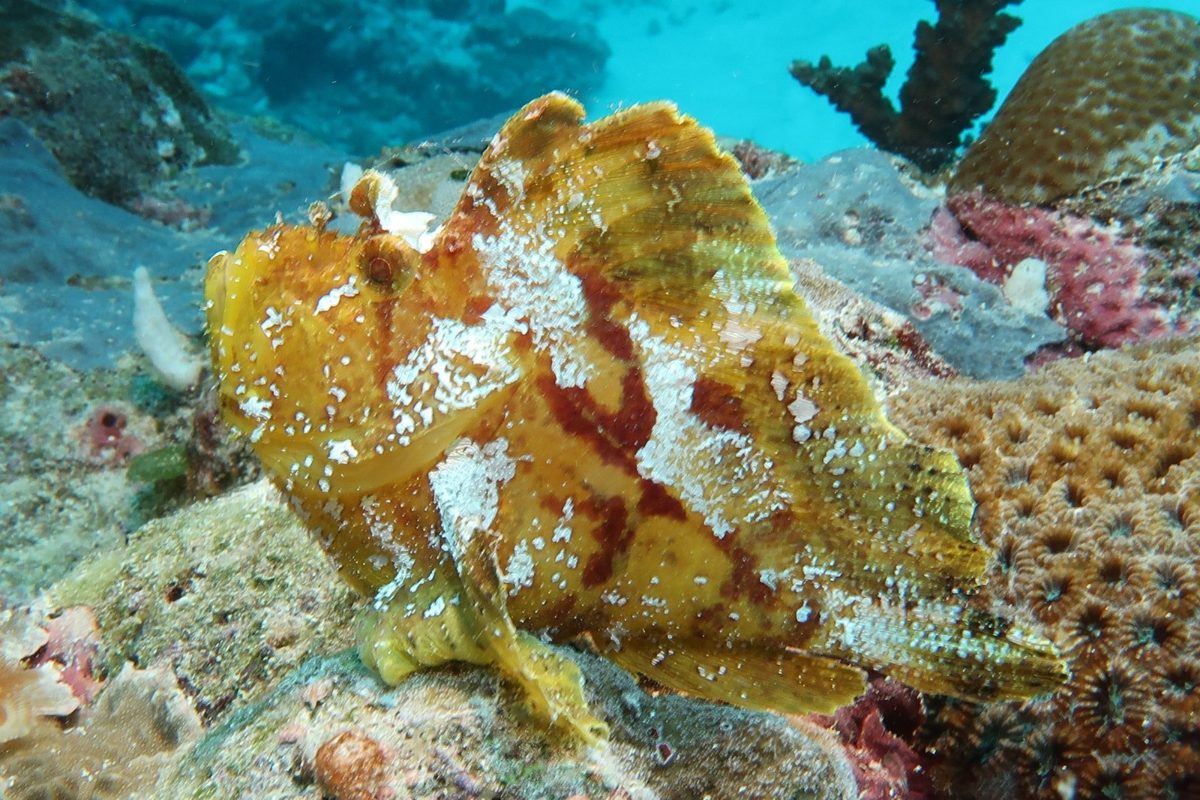
Between the big-animal dives, the reefs were full of smaller things: soft corals in pink and purple, sea fans spread across the current, clownfish in their anemones, bannerfish in pairs, giant clams wedged into the coral, and a leaf scorpionfish that is easy to swim right past.
On land: the Rock Islands and the WWII battlefield on Peleliu →
Good to know
- Best known forBlue Corner, German Channel, Blue Holes, Ulong Channel
- StyleMostly drift diving; reef hooks at Blue Corner
- Who it suitsDivers comfortable in current; Advanced Open Water and a few drift dives recommended
- GatewayKoror, Palau
- My tripPalau Aggressor II, January 2017
Want to dive Palau with a group? Dive Outdoors in Redding, California runs two full-moon liveaboard trips in Palau: 29 Nov–6 Dec 2027 and 8–15 Dec 2027.
More from Darrell Seale
- Palau on landThe Rock Islands and Peleliu
- darrellsealescubadiving.comCourses, credentials and more dive trips
- darrellsealetravels.com142 countries and counting
- darrellseale.comThe full story: Air Force, aerospace career, nonprofit work, Abu Dhabi and Trophy Club
- YouTubeShort travel and underwater videos